Message from our Chair
This year concludes the first decade since the Australian Government replaced Medicare Locals with 31 primary health networks (PHNs) to strengthen primary health care and respond to local health needs. It presents an opportunity to reflect on the journey SEMPHN has taken and the impact we have had on health providers and the communities of south east Melbourne.
Over the last decade, SEMPHN has grown from being predominantly focused on mental health and supporting general practitioners (GPs), to including programs for alcohol and other drug dependencies, aged care and even palliative care programs. In addition, our remit has expanded to include support for the allied health sector and pharmacotherapy and beyond. This evolution can be seen in the diverse range of services and initiatives showcased in this report.
Recognising the primary care landscape has shifted significantly since PHNs were established in 2015, the Australian Department of Health, Disability and Ageing undertook a review of the PHN model in December 2024. I’d like to thank the stakeholders who provided feedback about SEMPHN’s contribution as part of this review process. I'd also like to reiterate our commitment to the effective delivery of the 3 core PHN functions: coordinating, commissioning and capacity-building.
We continue to work closely with general practice, allied health, hospitals, and the broader healthcare sector to improve coordination in the healthcare system across all levels – from primary to tertiary. Our strong relationships with healthcare providers and services also supports care coordination at the individual level; for example, our care finder program, provides personalised assistance to help older people navigate the aged care system.
This year, we commissioned and managed more than 224 contracts, and collaborated on many more projects across our region, state and country. Each of our commissioning decisions is based on significant planning that draws on data, evidence and stakeholder consultation to identify our region’s highest priority health needs and gaps in service delivery. A great example is our Commonwealth Psychosocial Support program, which is available for those who are not currently accessing similar National Disability Insurance Scheme or state-funded services, assisting people with severe and complex mental health conditions in managing daily tasks. Another is our Health Care Connections program, which focuses on improving equity for some of our most vulnerable community members, addressing socioeconomic barriers to ensure the people of south east Melbourne can access the care they need, regardless of their situation.
We continued to support capacity-building for nearly 500 general practices and thousands of primary care providers this year, including the rollout of MyMedicare across practices, with SEMPHN offering resources, online training, and practical support. We delivered 18 education events to 1,419 attendees, and since 2023–24, our online learning platform has gained 45% more users, with a total of 1,365 unique users and 2,726 course enrolments. I also look forward to seeing how the use of digital health technology develops across our primary care sector over the next year, with SEMPHN set to deliver tailored resources and training to individual practices based on a digital maturity assessment conducted in October 2024.
Underpinning the relevance and effectiveness of our work are the clinical and community voices we are fortunate to have as part of our advisory system. I would like to thank our Clinical and Community Council and the members of our 2 reference groups – our Primary and Aged Care Reference Group and our Mental Health and Wellbeing Reference Group – who continue to provide valuable advice, ensuring our program and service development is informed and shaped by people with lived experience of primary care in south east Melbourne.
I am also excited by the progress we have made towards establishing a First Nations Reference Group, and would like to acknowledge the Clinical and Community Council members who are assisting us with this important project: Luke Martin, Andrea Edwards and Brenda McDermott.
I would like to thank my fellow Board members, including Dr Alison Roberts, Dr Michael Cross and Micaela Drieberg who concluded their roles in the second half of 2024. I would also like to welcome our new Board members, Kirstan Corben and Dr Tim Ross, as well as Cris Massis who was formerly a member of our Clinical and Community Council.
Finally, I would like to thank the staff of SEMPHN. Your commitment continues to inspire and support the incredible work of primary care providers in our region as, together, we work towards ensuring people in south east Melbourne can get the right care in the right place at the right time.
I look forward to working with the Board and staff in the year ahead to determine effective ways in which we can reduce the health burden for our community.
Thank you.
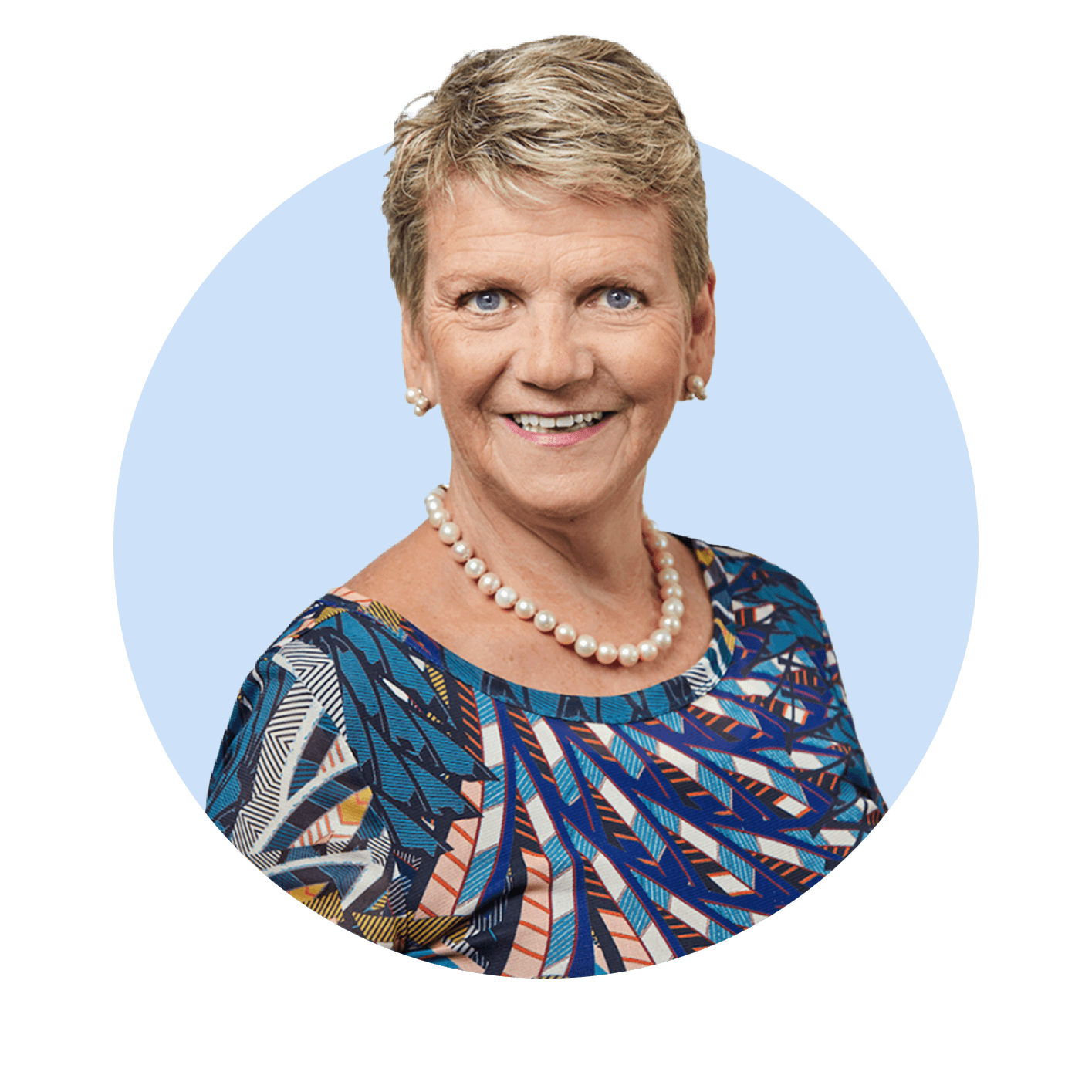
– Sue Renkin, SEMPHN Chair