TSA Access Health saw an extraordinary 17,912 clients in 2024–25. The services, which are free to consumers and can link them to mainstream services, include nurse practitioners, nurses, general practitioners (GPs), psychiatrists, podiatrists, physiotherapists, and psychologists, as well as drug and alcohol rehabilitation services.
SEMPHN has been funding the
TSA Access Health Nurse Practitioner Program since June 2023. The program enables the Nurse Practitioner to prescribe opioid replacement therapy for patients, as well as for a practice nurse to support the patients.
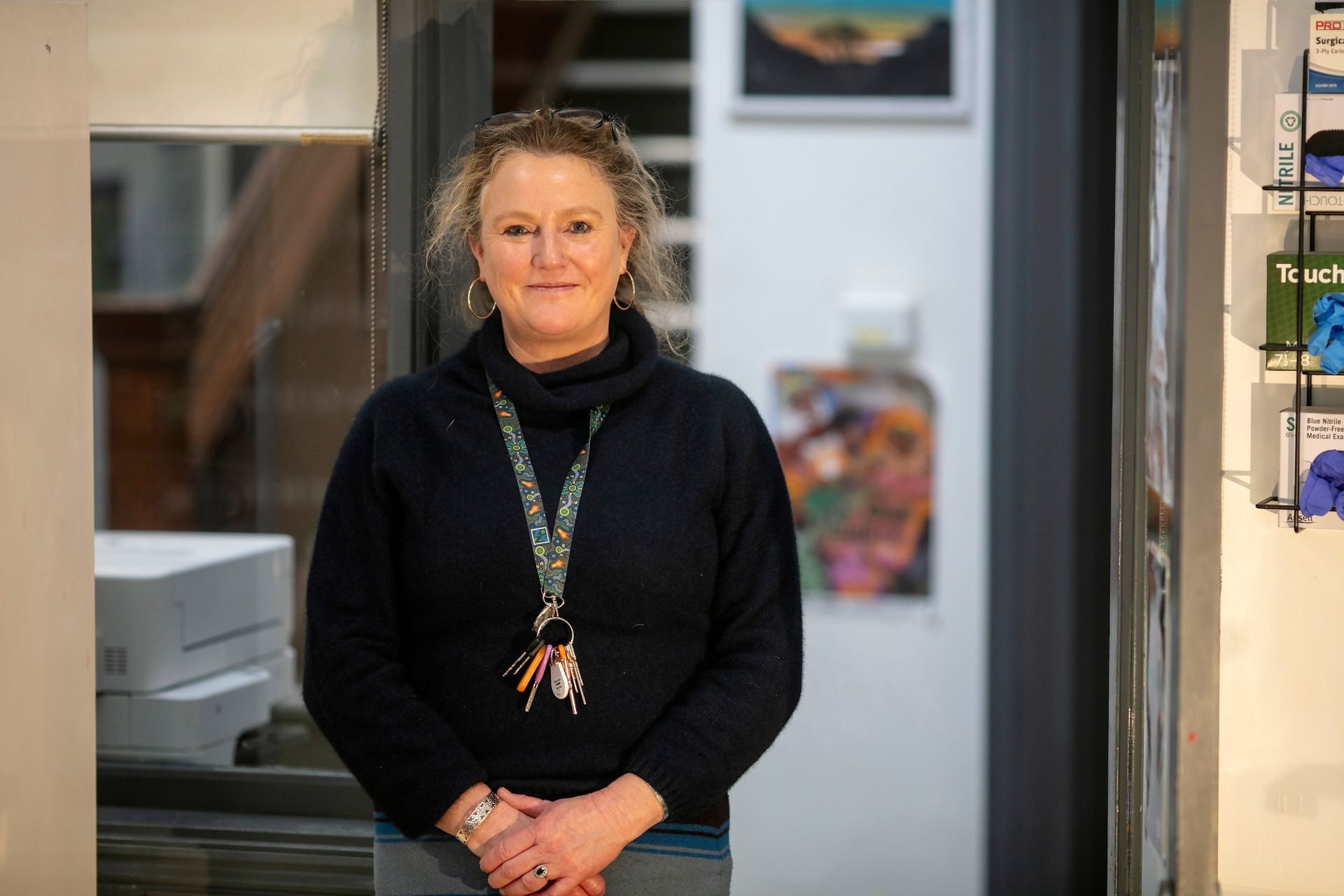
Program Manager Brigid Buick, who has worked at TSA Access Health for 5 years, says the centre’s patient-centred and trauma-informed approach often leads to extraordinary outcomes.
“For many of our clients, coming here is their last resort,” Brigid says. “In other settings, they may experience judgement or be concerned about having police called, but here, they know they will be supported and helped. Our centre is about building strong and trusting relationships, no matter how long it takes.
“It can sometimes take a year or two of clients coming here to shower and have a chat and a coffee before they are comfortable enough to see our nurses and have blood tests so we can establish if there are any medical concerns,” Brigid says. “If there is a problem, we can then recommend medications and ensure they see allied health providers they might need. These are things that just would not happen without our service.”
Between August 2024 and July 2025, there were more than 1000 visits to Nurse Practitioner Meg.
Brigid says the Nurse Practitioner’s clients have multiple complex unmet needs that often result in high-risk, challenging presentations.
“Our GPs will often consult the nurse practitioner due to their extensive knowledge of specialised pharmacotherapy (the use of medication to assist in the treatment of opioid addiction) – it’s an excellent example of very effective collaborative care,” she says.
Brigid tells the story of client ‘Angus’ as an example of those who desperately need the support of TSA Access Health. ‘Angus’ arrived at the centre in October 2024, seeking continuation of opioid pharmacotherapy after the closure of a centre in Frankston. He was one of 6 patients who presented to TSA Access Health on the same day for the same reason.